They might even be more emblematic of Britain than Buckingham Palace.
As a tourist in London, you always have limited time. Weeks, even months, are not enough to explore the British capital, so it makes sense to plan your itinerary carefully. The more you know about the city’s history, the harder it is to choose.
Take the pop history of London, for example. Everyone knows about it, but when you join a city tour, it seems to be forgotten. Understandably, you have no time for it.
However, it is perhaps a more characteristic element of the city than Buckingham Palace.
Pink Floyd, the Beatles, Deep Purple, Iron Maiden, Status Quo, George Michael, Genesis, David Bowie, Led Zeppelin, the Clash, Motörhead, Coldplay, Dire Straits, Cream, the Sex Pistols, Roxy Music, Blur, Placebo, Adele, Sade, Amy Winehouse, Fatboy Slim, Jamiroquai, Morcheeba, Elton John, Adam and the Ants and the Spice Girls are just a few examples.
This is just the tip of the iceberg — the list goes on and on forever. Thousands of pop stars have been born and worked here. We know their names and songs, but what about the places connected to these people?
Recently, we dedicated a day to exploring five iconic London locations that played a part in pop history. We started the day at 10 am and finished at 5 pm.
Here is the route:
1. David Bowie Memorial
Location: Tunstall Road, Bristol
How do you get there? Easy! Take the Victoria line Underground and get off at the terminal. Leave the station and cross the street. The memorial is right there.
The mural was painted in 2013 by the Australian artist James Cochran. It was inspired by the cover of the 1973 album Aladdin Sane. David Bowie was born at 40 Stansfield Road in Brixton, around 500 metres from the mural, on 8 January 1947. His mother worked as an usherette at the local cinema (now the Brixton Academy). Bowie lived in Brixton and attended Stockwell Primary School.
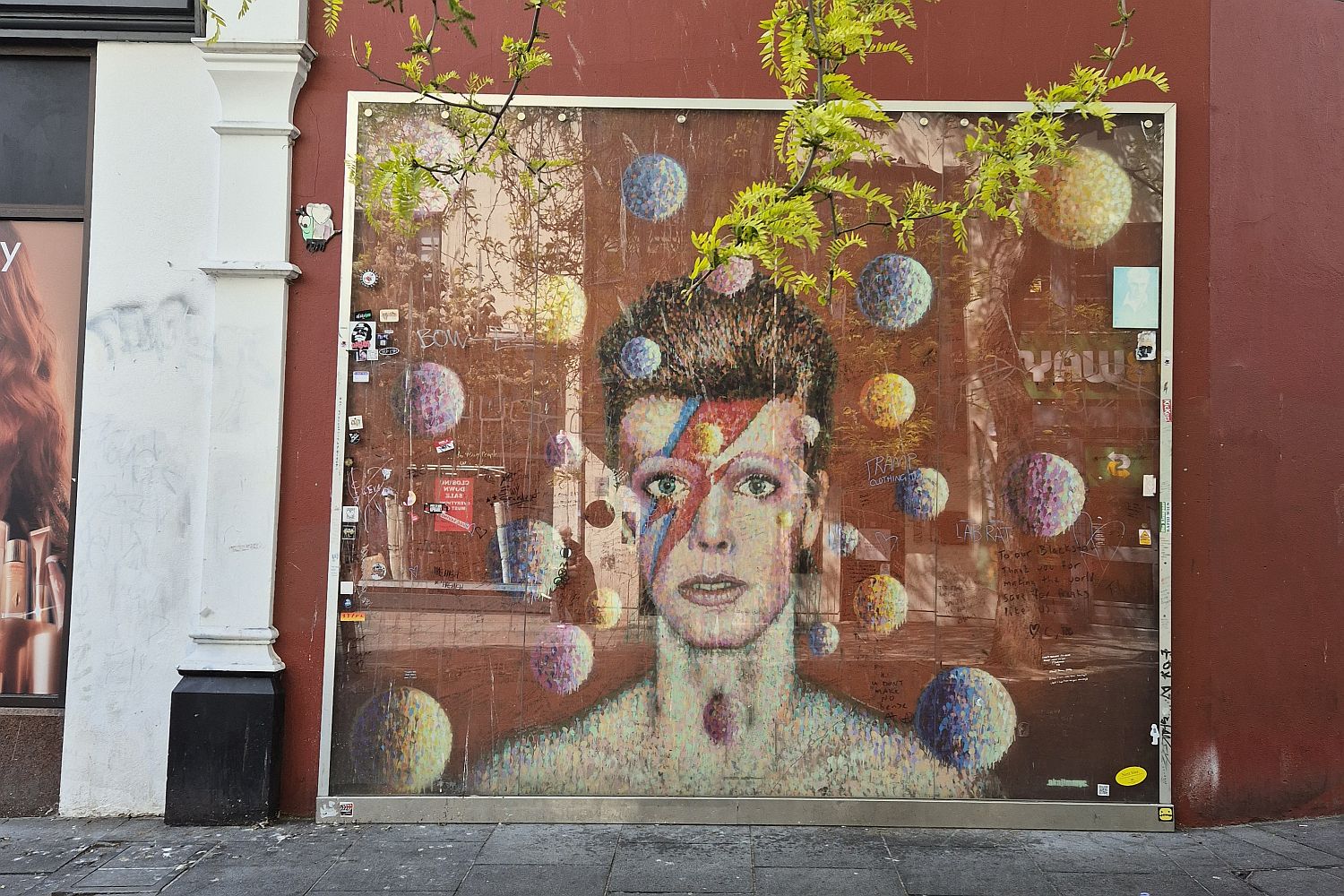
Following Bowie’s death in January 2016, the memorial was in the news across the globe as fans flooded the area with flowers and messages, and made pilgrimages to the site.
When we were there, it was clear and somewhat abandoned. There were no fans, no flowers and no other objects left behind, just a few messages on the wall. I read somewhere that the local government regularly clears the area. In front of the mural, there is a plastic panel to protect it. However, the nearby walls are covered in graffiti dedicated to the world-famous singer.
Extra tip: Take a short walk around the streets near the underground station and visit the community space called Pop Brixton to gain a better understanding of the spiritual link between Bowie and this neighbourhood.
2. Battersea Power Station
Location: Circus Road, Nine Elms, Battersea
How do you get there? We took the bus from Bristol (with one change), but it also has its own Underground station on the Northern Line.
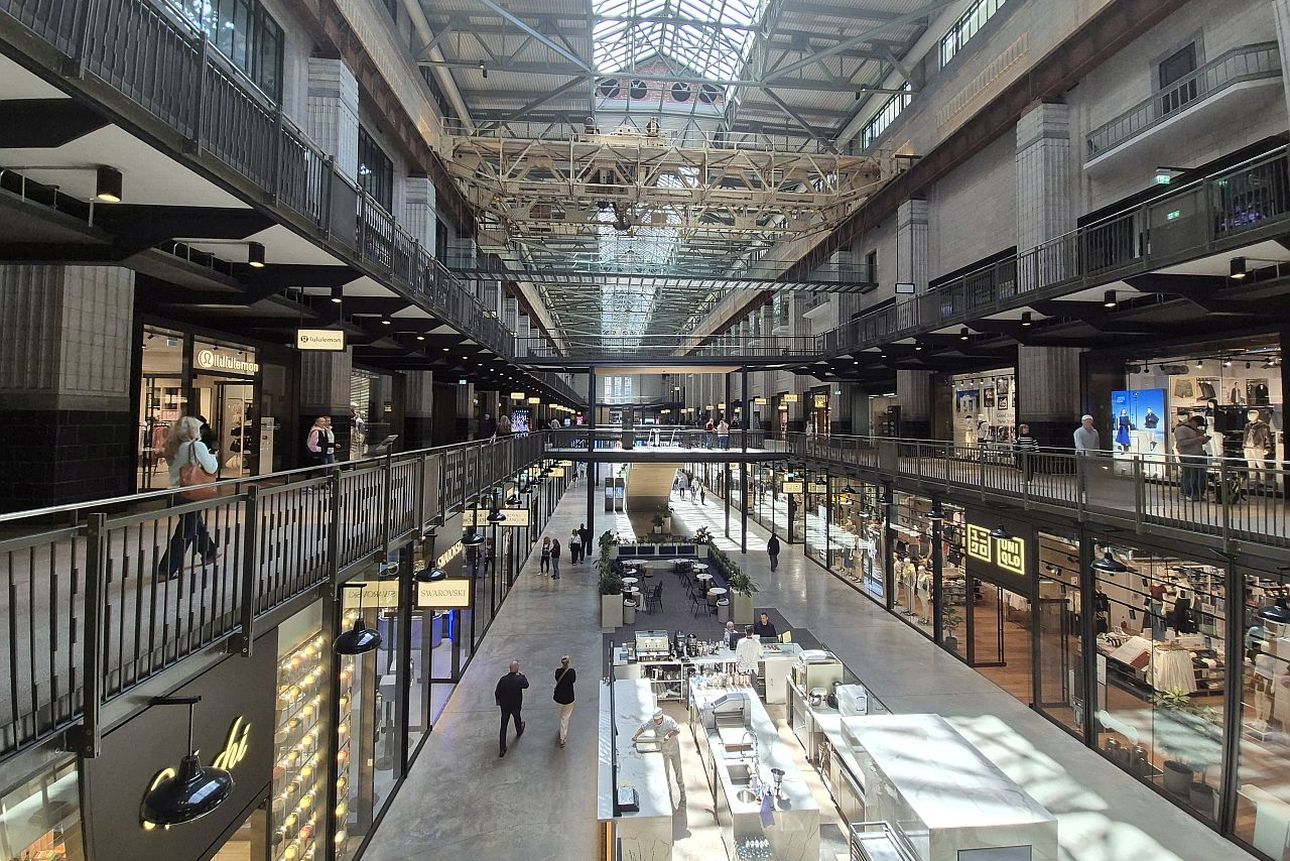
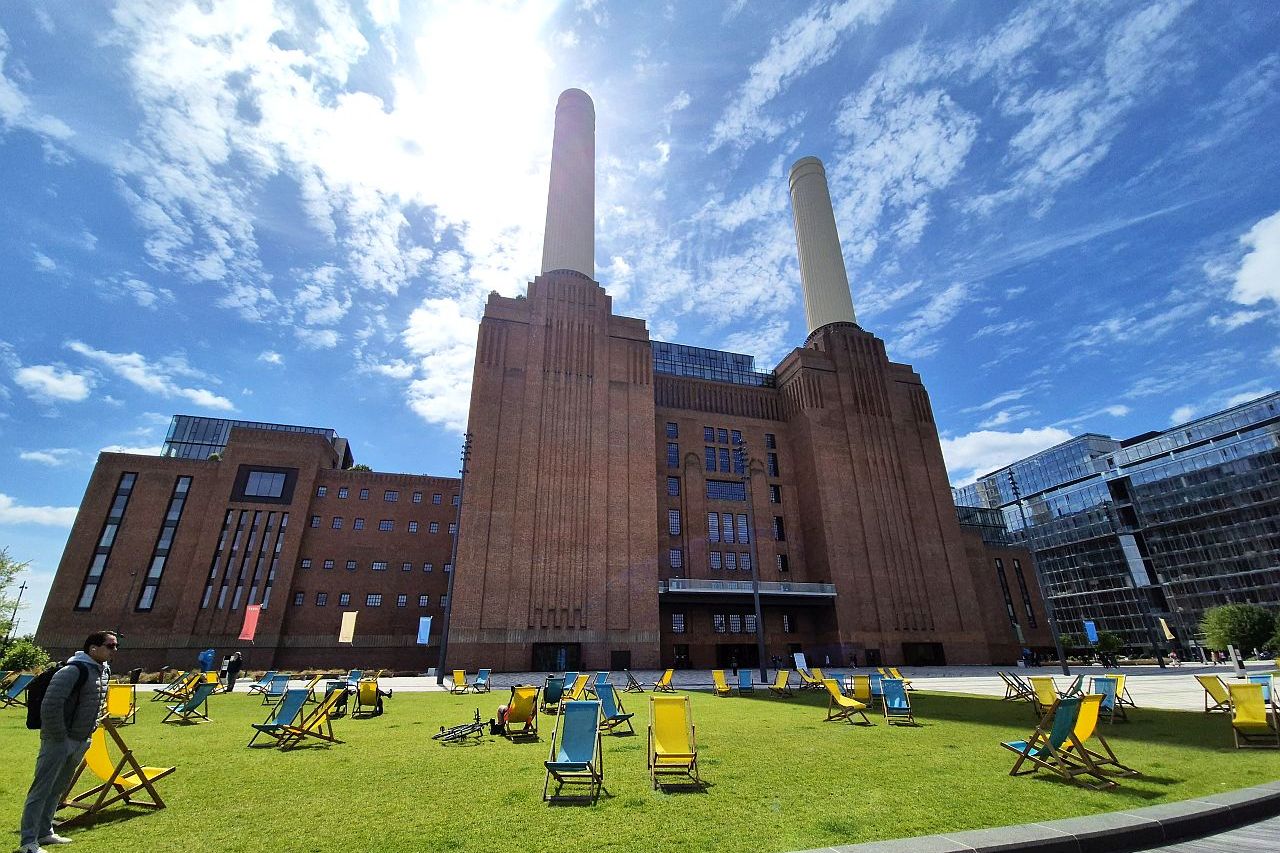
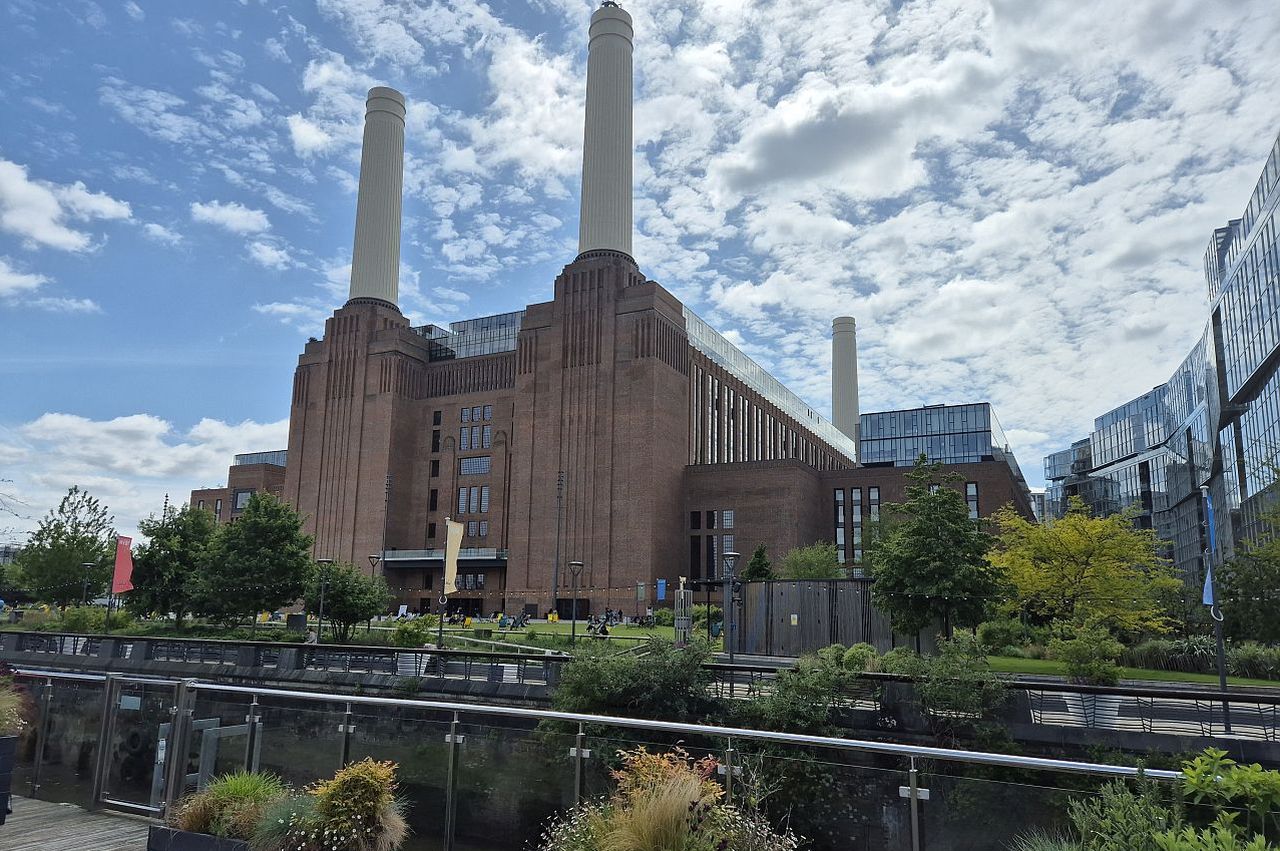
Battersea Power Station is well known among Pink Floyd fans as it is on the cover of the band’s 1977 album called Animals. Many people think this building is imaginary, but it actually exists. Perhaps more than ever. This huge, unusual-looking building was constructed almost one hundred years ago and operated as a coal-fired power station until the late 1970s, when it was decommissioned. It remained empty for a long time, until a Malaysian business group converted it into a shopping mall and entertainment centre. It opened to the public in October 2022.
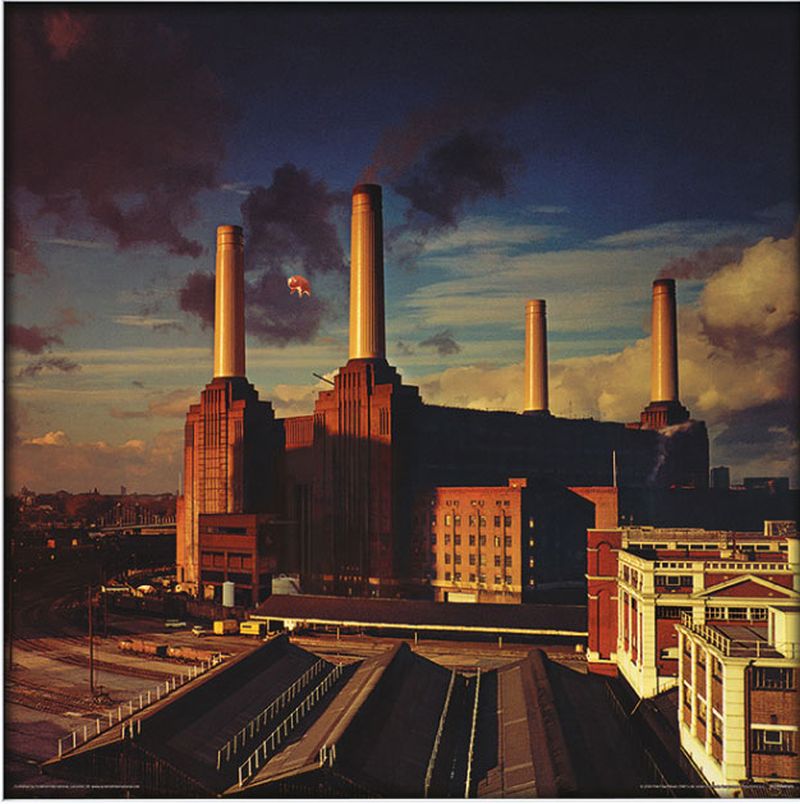
Now, visitors can enter the building, which features on the cover of an iconic album, and explore upmarket shops, restaurants, bars, a cinema and entertainment facilities. You don’t need to buy anything though; it’s nice just to walk around and admire the architecture and design. When we were there, we didn’t know, but there is a lift that takes you to the top of one of the iconic chimneys.
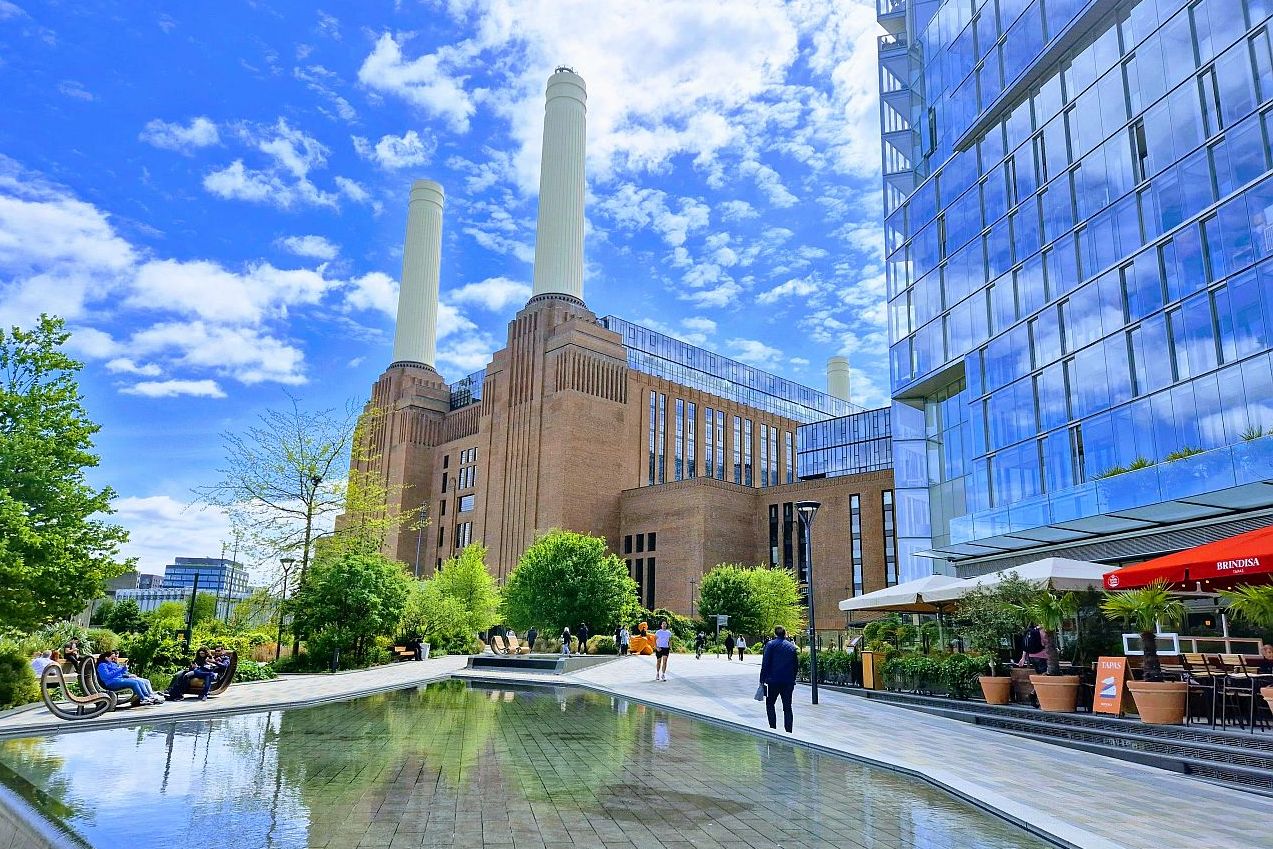
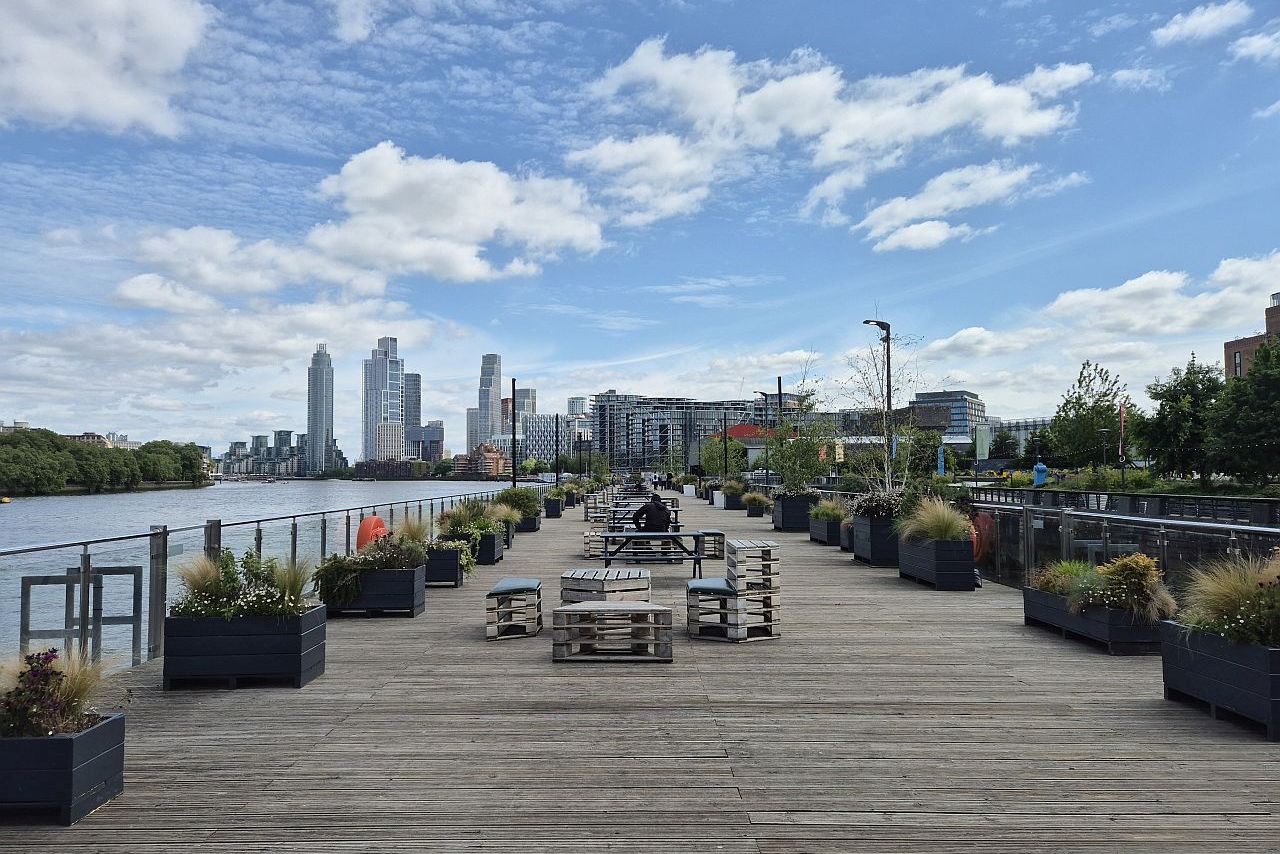
Extra tip: not only is the former power station cool, but the surrounding area is too, especially the riverside. There is grass for picnics, sun loungers, tables and chairs, and an extraordinary view of the Thames and the nearby Vauxhall skyscrapers. The lesser-known Battersea Park is also within walking distance and has a boating lake and many other secrets. The locals love it, and you will too.
3. Abbey Road zebra crossing
Location: Abbey Road, near Abbey Road Studios.
How do you get there? Take the Jubilee line to St John’s Wood station. Walk along Grove End Road until you reach the Abbey Road crossroads. You will see people crossing the road and taking selfies. (Be careful! About 20 kilometres away, in Docklands on the DLR line, there is another Abbey Road where a poster at the station warns you that you are in the wrong place.
Almost everyone has seen the original photo and knows that it is connected to the Beatles. The four band members — John Lennon, Ringo Starr, Paul McCartney and George Harrison — are depicted walking across the road.
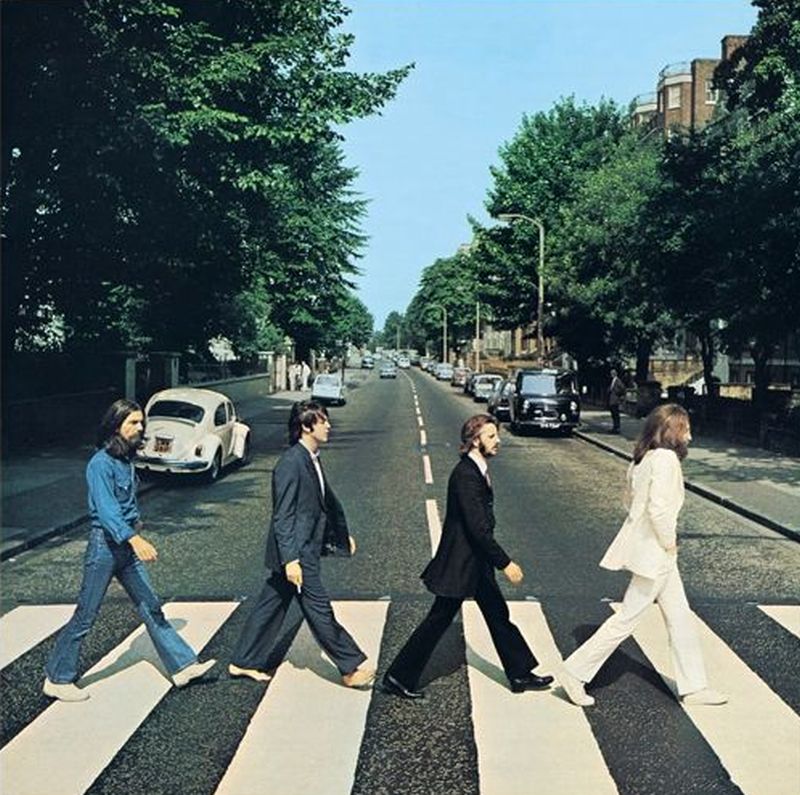
The famous photograph was taken late one morning in August 1969 for the Beatles’ final album, Abbey Road. Traffic was stopped and the photographer had just ten minutes to work with.
As it was a hot summer’s day, McCartney took off his sandals and walked barefoot. A total of six pictures were taken. The fifth was the winner. The album cover became iconic and the location became a place of pilgrimage.
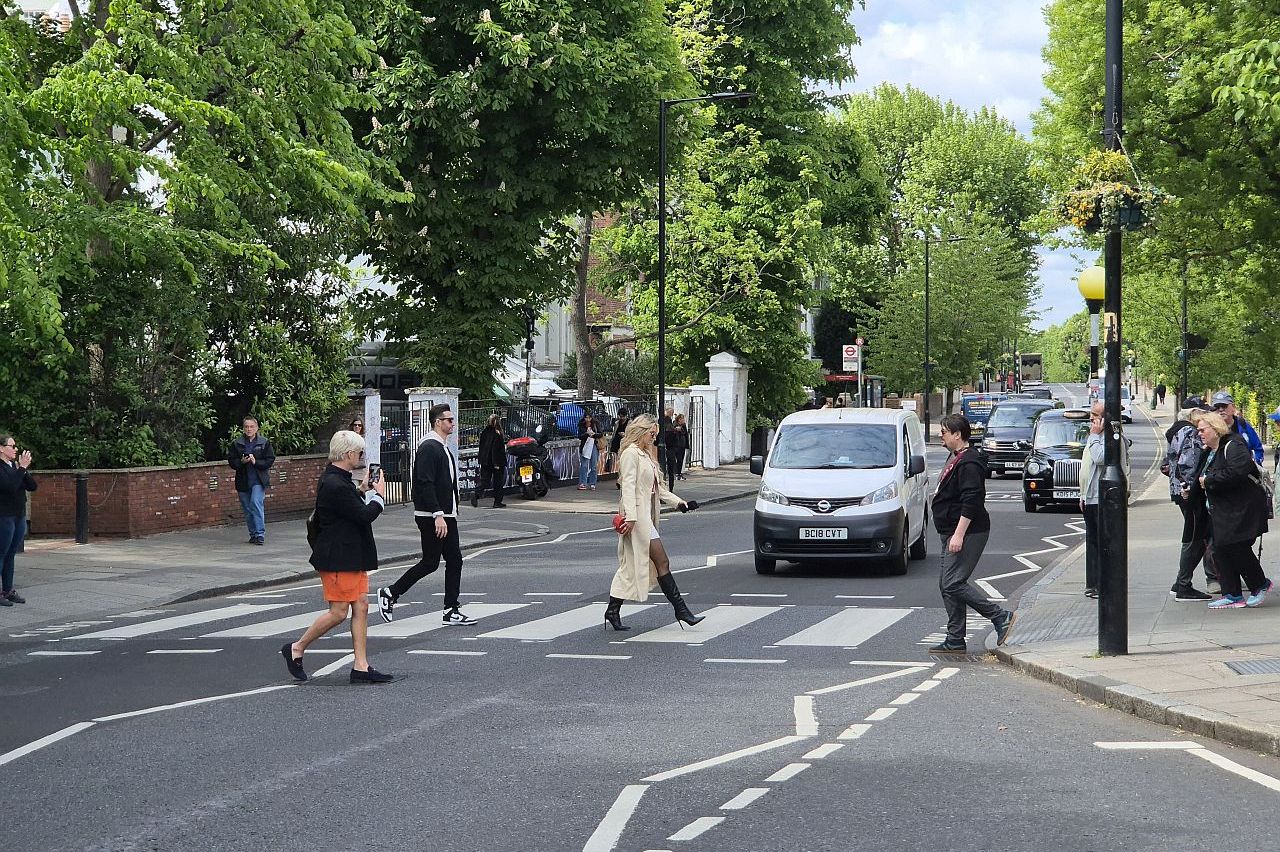
When we were there, the area wasn’t crowded, but the crossing was constantly busy. People were constantly crossing and taking selfies. There is a kerb at the crossroads where your friend can take a photo of you in a Beatles-style pose.
Extra tip: St John’s Wood is an elegant part of London, home to Victorian and Edwardian villas with well-kept private gardens. A short walk around the area gives you an idea of how the British upper middle classes live. It is also home to many celebrities, artists, and diplomatic families.
4. Amy Winehouse statue
Location: Camden (Stable) Market, 407 Chalk Farm Rd
How do you get there? 8-10 minutes’ walk from the Camden Town underground station (Northern Line)
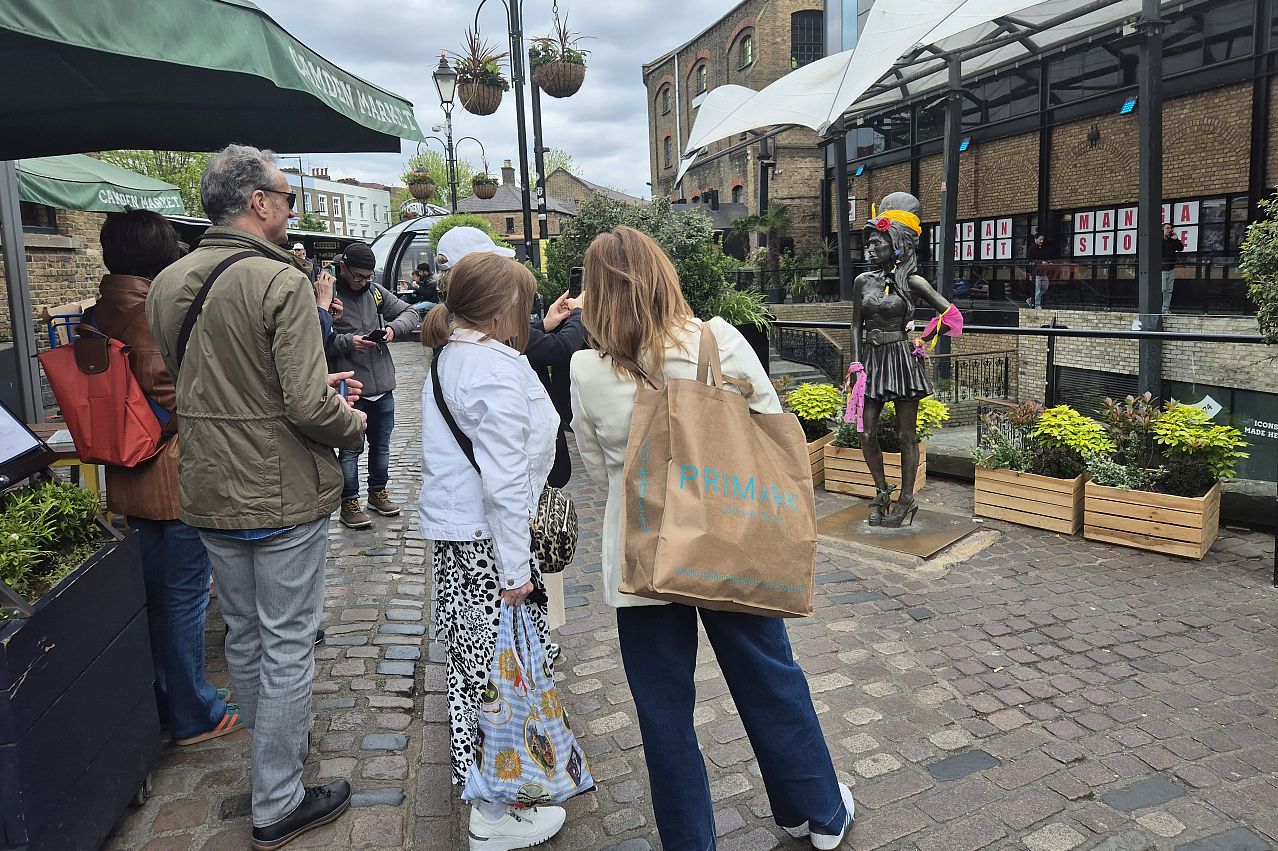
Amy Winehouse was born in London (Enfield), she was 20, when she moved Camden, which is heavily associated with her. She lived and died (2011) in Camden square, near the market. These streets were her spiritual home. She gave her last concert at the Roundhouse, where the statues was intended originally, but they changed the plan as it is not a public place. Her bronze figure was designed by sculptor Scott Eaton and approved by her parents. A life size statue is not extreme, just depicts the singer with her signature position, one hand is on her hip, the other is picking the edge of her skirt. She has her iconic hairdo and high heel shoes and wears Star of David necklace.
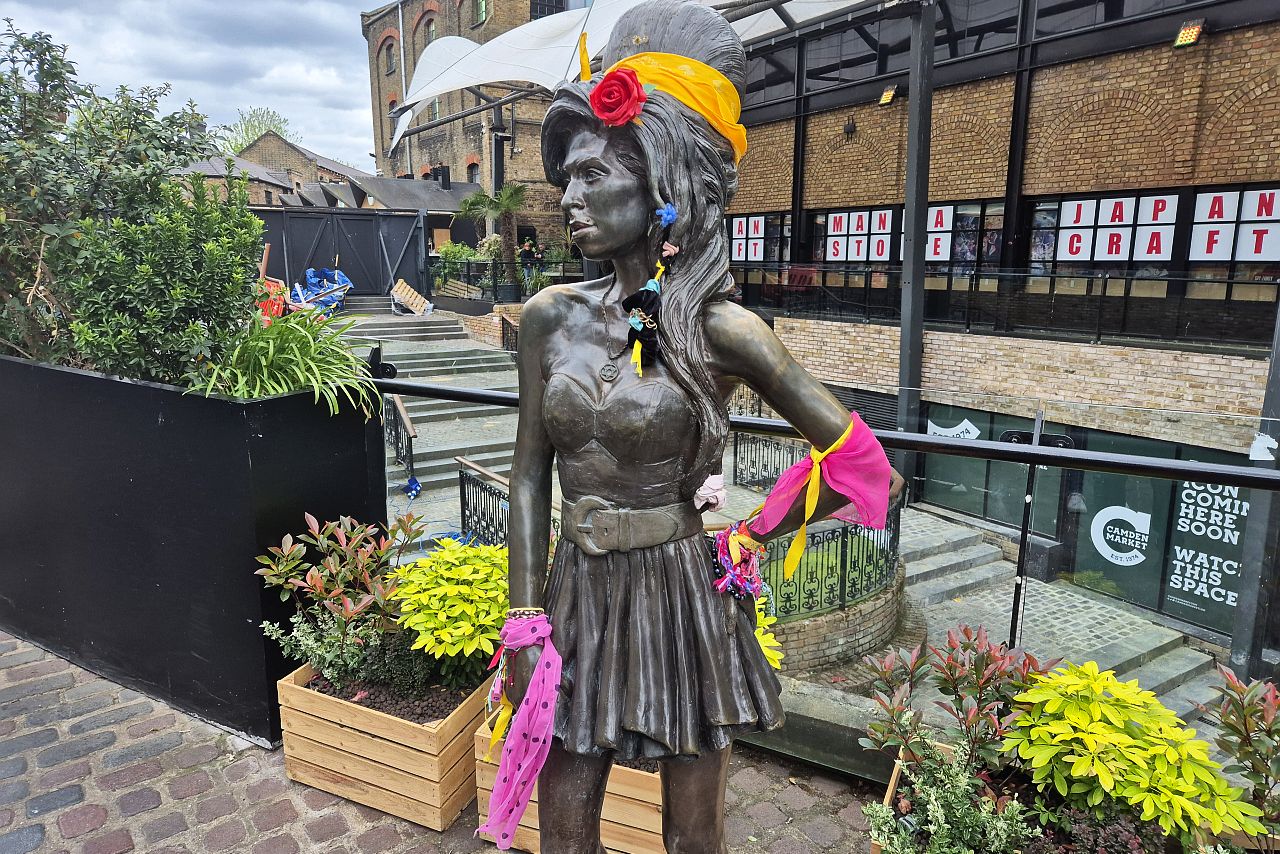
It is a decent statue but not outstanding. The fans complete the object with colourful bracelets, ribbons, a read rose in her hair.
There are always people there queuing for taking selfies so it is not easy to take a photo of the statue itself.
Extra tip: If you are at Camden Town, of course you can visit famous places like the markets, the pubs (The Hawley arms wasAny Winehouse’s favourites one) the Regents Canal and so on. But the neighbourhood has become too „touristy” for me, the atmosphere has changed and not necessary in a good direction. Buti it seems so many people like if. If I were you I would take the bus from here to discover London neighbourhoods. Just like Holloway.
5. Johnny Rotten’s Street
Location: Benwell Road, Holloway
How do you get there? Take the Piccadilly line on the Underground to Holloway Road station.
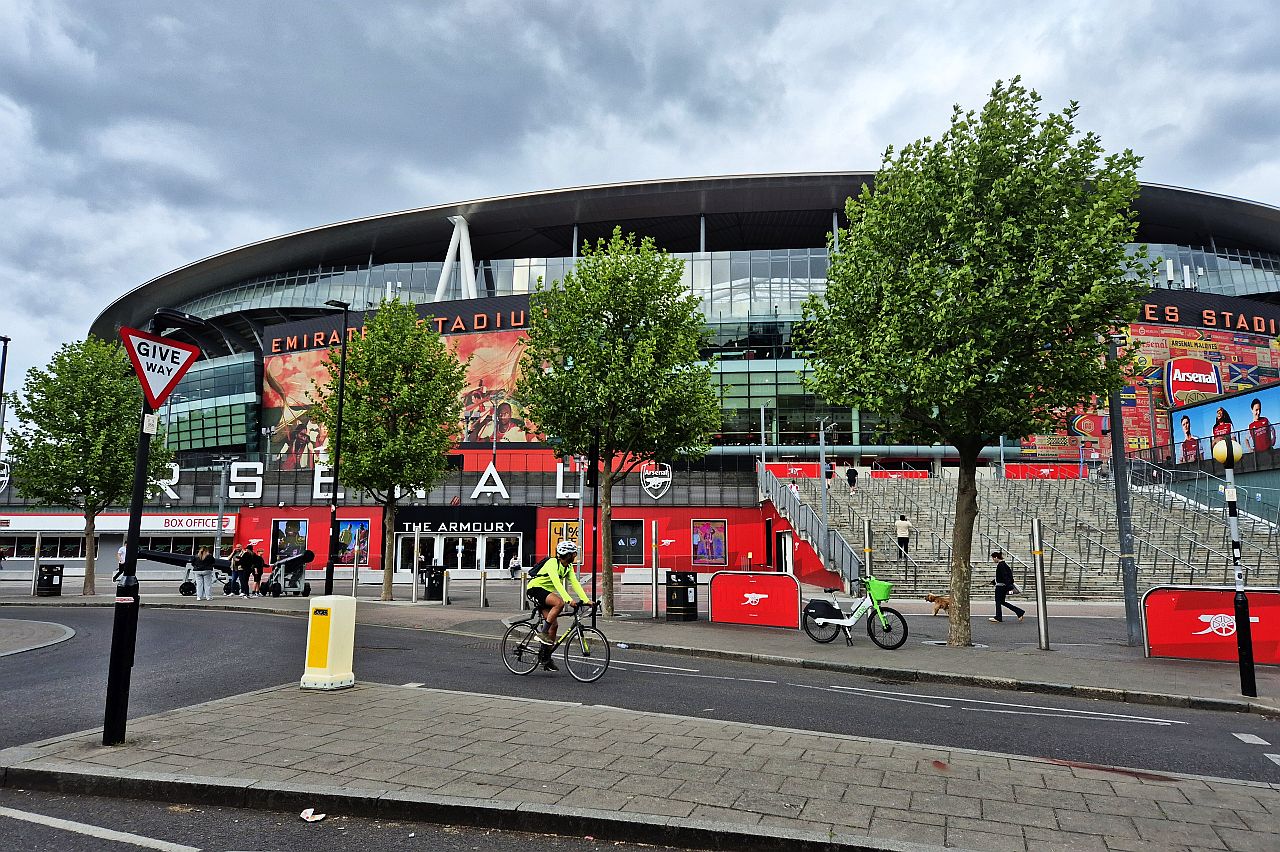
“Life for us in London was very inner-city and deprived. Everyone around was piss-poor. We had no concept what money really was. We lived on Benwell road, which is where Arsenal have now built their Emirates Stadion…In the bedroom was Mum, Dad, me, and then my younger brothers, as they arrived. Then it was six, four kids , two parents”. This extract comes from the autobiography of John Lydon, aka Johnny Rotten, singer of the iconic, genre-defining Sex Pistols.
Visiting Benwell Road was a very personal experience for me; I don’t think many people would feel the same way. The Lydon family’s house has been demolished and the neighbourhood has been gentrified, so there isn’t much to see or say about it.
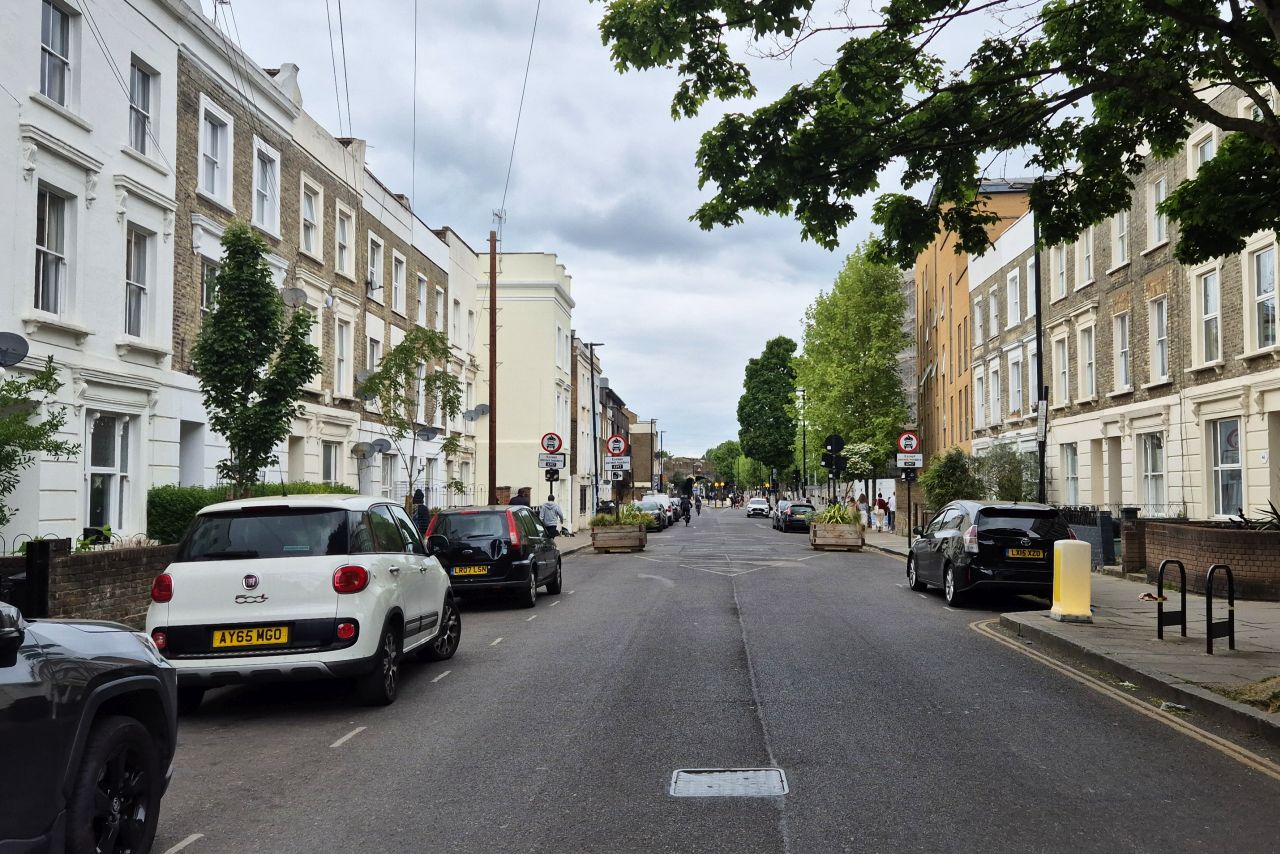
However, there would be a lot to say about John Lydon himself. He is considered by many to be an aggressive, irritating jerk who sold out punk music. In reality, he is a nice, friendly, humanistic, and deeply honest chap with a complex attitude to music and life. He is a character and an important figure in pop history. I just wanted to see where he came from. Roots are important.
Extra tip: The giant Arsenal Stadium is on the corner, with a museum and a shop.
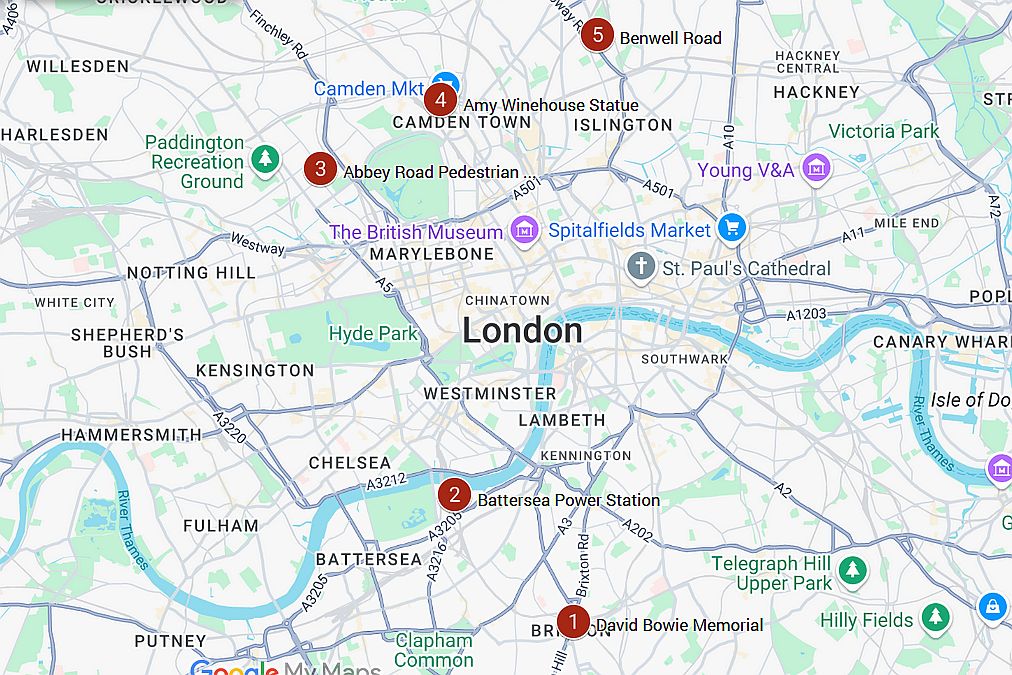
Here is the map of the visited places:
A few more photos: