A politically sensitive case has even reached the level of intelligence services. Both the Hungarian government and Samsung have responded.
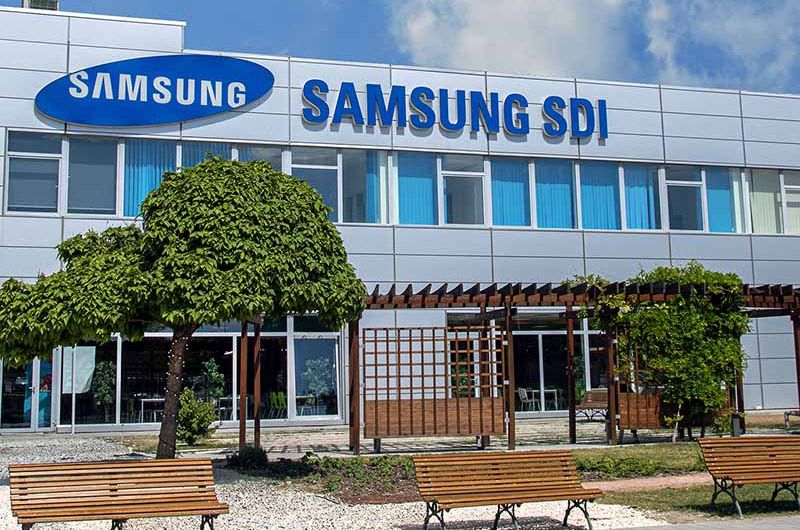
An investigative report published yesterday by Hungarian news outlet Telex examines what it describes as alarming environmental pollution and workplace safety violations at Samsung SDI’s battery plant in Göd, Hungary. According to the article, the alleged practices may have endangered the health of workers.
A central element of the lengthy investigation is a 2023 government meeting that discussed a classified intelligence report on the matter.
According to the report, extremely serious occupational safety violations occurred at the Samsung SDI plant. Hungary’s labor safety authority had previously inspected the factory multiple times and repeatedly fined the company for exposing some employees to levels of carcinogenic chemicals exceeding legal limits. However, the intelligence report claims that despite these repeated penalties, Samsung took virtually no effective action to resolve the problem.
Moreover, internal company measurements—allegedly not shared with authorities—suggested that exposure levels were far more severe than officially recorded, in some cases exceeding health risk thresholds by several hundred times.
Sources cited by Telex say the findings shocked members of the government. Some reportedly argued that the plant should be shut down due to public and political pressure. Others, however, warned that closing the factory would cause significant economic damage—not only by halting production but also by discouraging other foreign investments in Hungary.
Ultimately, the plant was not shut down, despite the extreme readings described in the report.
According to Telex, the root of the problem was that the facility—originally built to manufacture television screens—was never properly equipped with adequate ventilation systems for battery production. Company management allegedly downplayed the risks for an extended period, relying on political connections and government support while failing to take the health impacts seriously.
The 2023 government meeting reportedly marked a turning point. Following it, authorities carried out more rigorous inspections, and the company began addressing the issue more seriously, apparently sensing a weakening of its political backing.
In the meantime, public attention around Hungary’s battery plants has somewhat faded, and production levels have fallen short of expectations. Nevertheless, in October 2025, the Samsung plant reportedly received 133 billion forints in government support.
The Telex investigation touches on highly sensitive political issues. It reinforces public opposition to battery factories and carries an implicit message that government interests may have been prioritized over the health of workers and local residents—a particularly damaging narrative during an election period.
In response, opposition leader Péter Magyar quickly reacted, calling for the resignation of Foreign Minister Péter Szijjártó. Magyar claims that Szijjártó was aware of the serious pollution and poisoning at the Göd plant yet intervened to prevent its closure.
Szijjártó has rejected the accusations as outright falsehoods. He announced that he has filed a criminal complaint against Péter Magyar for defamation and will also sue Telex over its claims.
Samsung issued a statement today asserting that its Göd plant complies fully with all environmental and occupational safety regulations and operates transparently. The company said that numerous false data points and misleading claims have appeared in the media and warned that, should this continue, it will consider taking legal action against the outlets involved.