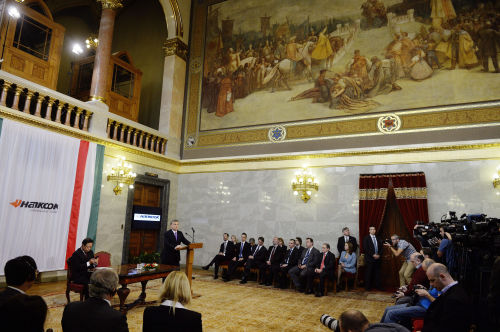
The capitals of Hungary and Serbia are set to move significantly closer in several respects.
Aleksandra Sofronijević, Serbia’s Minister of Construction, Transport and Infrastructure, announced that freight traffic on the Belgrade–Budapest railway line will begin at the end of February, while passenger services are planned to launch by the end of March, according to Hungarian business news portal Vg.hu.
The minister said she had visited Budapest, where the Serbian and Hungarian delegations discussed Serbia’s remaining obligations ahead of the line’s opening and reached agreement on all outstanding issues. She added that the Serbian side is currently waiting for Hungary to activate and test its own railway systems.
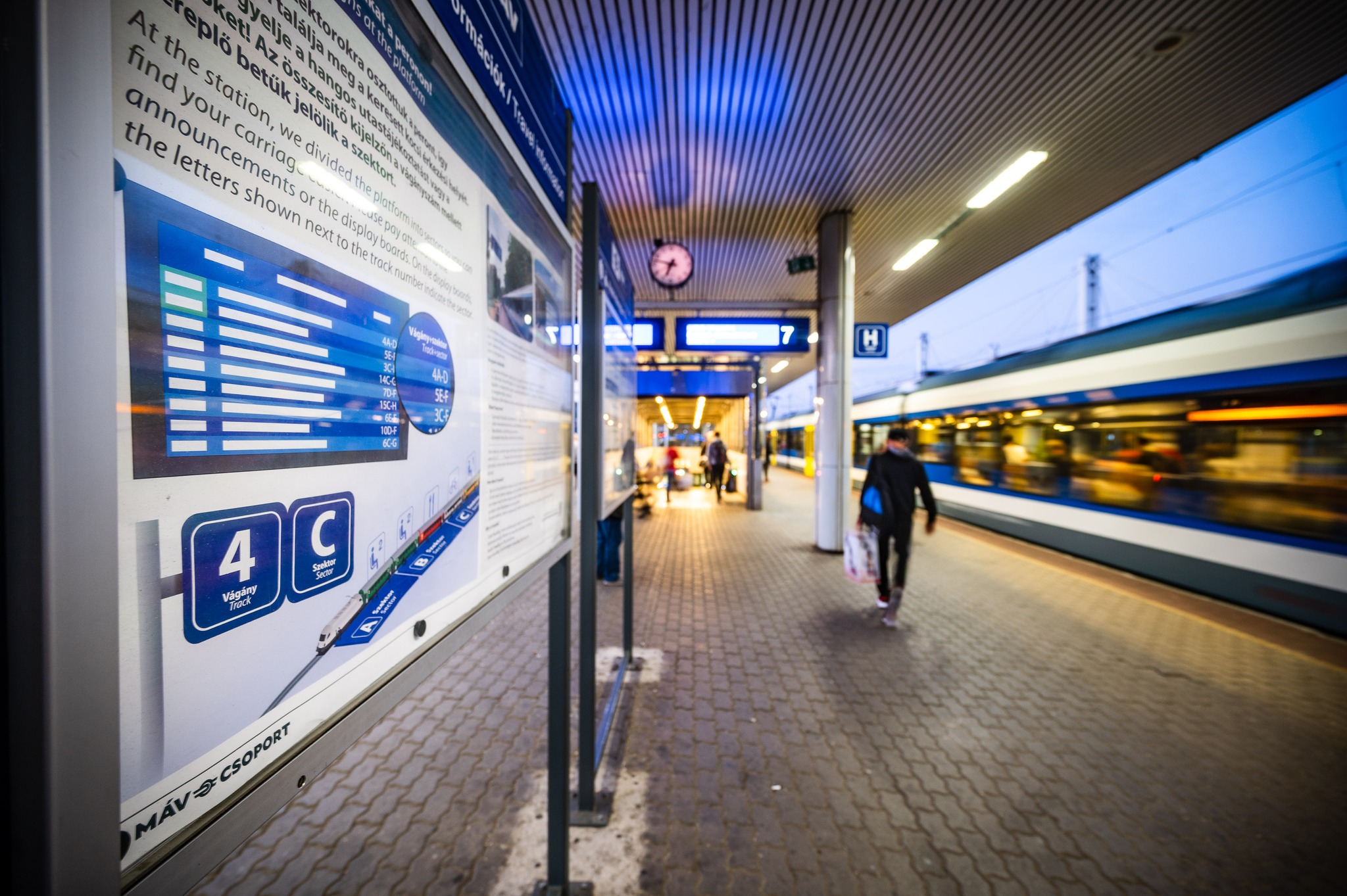
The next steps include connecting the Serbian and Hungarian systems, as well as training locomotive drivers and railway staff. Technical integration work is already underway on both sides of the border.
“I hope—and I believe—that our Hungarian colleagues will fulfill what they promised. If so, from March it will be possible to travel from Belgrade to Budapest for the equivalent of 32 euros, with a travel time of three hours and fifteen minutes,” the minister said.
Earlier, more specific dates were also announced:
- On February 27 at midnight, the current track closure will be lifted and freight traffic will begin, initially at speeds of up to 100 km/h.
- Operational and safety experience gained from freight services will support the launch of passenger traffic, which is expected around March 15. (March 15 is a national holiday in Hungary.)
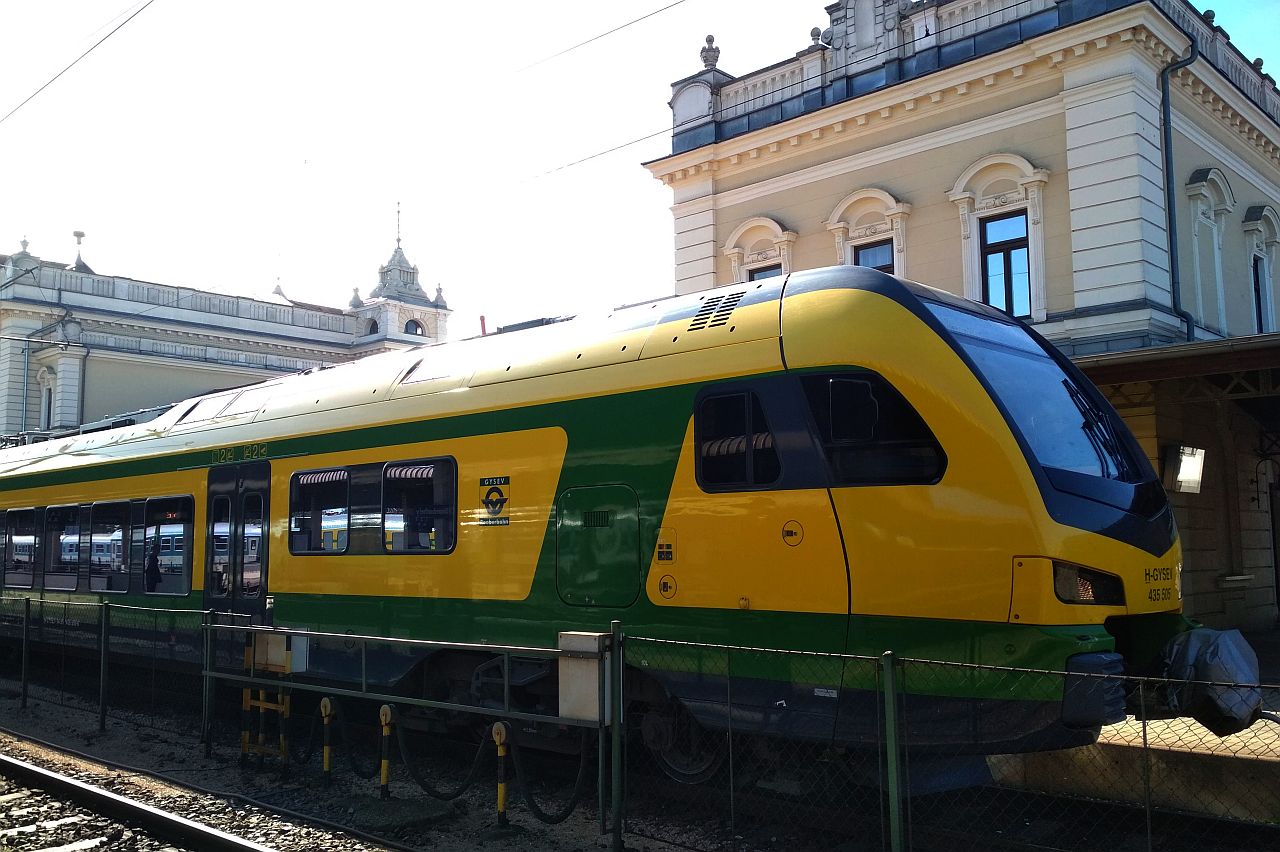
All trains will depart from and arrive at Budapest’s Keleti Railway Station. Trains on the line will be able to operate at speeds of up to 160 km/h.
The Hungarian section of the Budapest–Belgrade railway line is 166 kilometers long. Its construction and renovation cost approximately 800 billion forints (around 2.1 billion euros). While the economic viability of the investment has been widely debated, it is expected to bring the two capitals closer together in terms of business, economic cooperation, culture, and tourism.