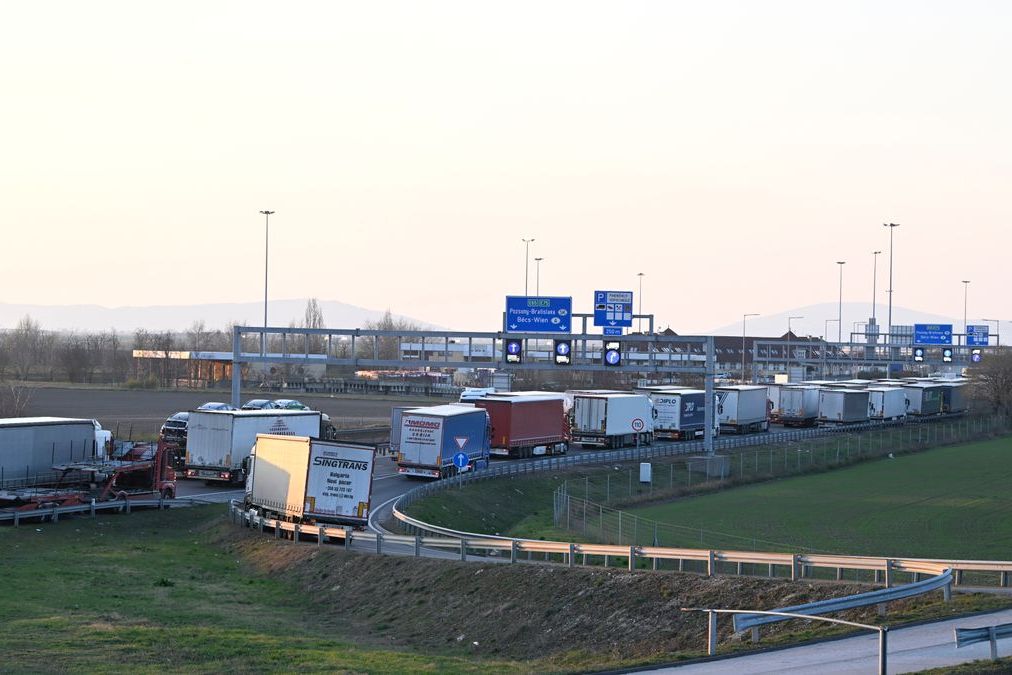
The introduction of the system will affect more than ten million passengers annually, and at the beginning border crossing times are likely to increase.
From 12 October 2025, the European Union will implement a new, unified, security-based border control system for third-country nationals wishing to enter the Schengen Area for short-term stays, the Hungarian police announced at a press conference.
In Hungary, the new system will first be applied at the Hungarian-Ukrainian, then the Hungarian-Serbian, and finally at air border crossing points. Its aim is to strengthen the protection of the external borders and to prevent illegal migration.
“The new system will also help identify individuals who do not comply with the rules of stay, while contributing to the prevention, detection, and investigation of terrorist and other serious crimes,” the press release states.

The system records and stores the following data of third-country travelers eligible for short-term stays:
- data contained in the travel document,
- the place and time of border crossing,
- facial image and fingerprints,
- and, in case of refusal of entry, the fact, place, reason, and time of the decision.
During border control under the new rules, the police will create an individual file at the first border crossing containing this data. For subsequent entries and exits, one biometric element (such as a facial image or fingerprint) will need to be re-verified, ensuring safer border crossings.
As the introduction of the system is expected to affect more than ten million passengers annually, border crossing times may initially be longer due to the creation of individual files and the recording of biometric data.