Scientists say there is no reason to worry. But some are worried.
A few weeks ago, I wrote that the beach in Balatonlelle is “famous for its shallow water, which is ideal for families with young children or those who prefer to relax in the warm water”.
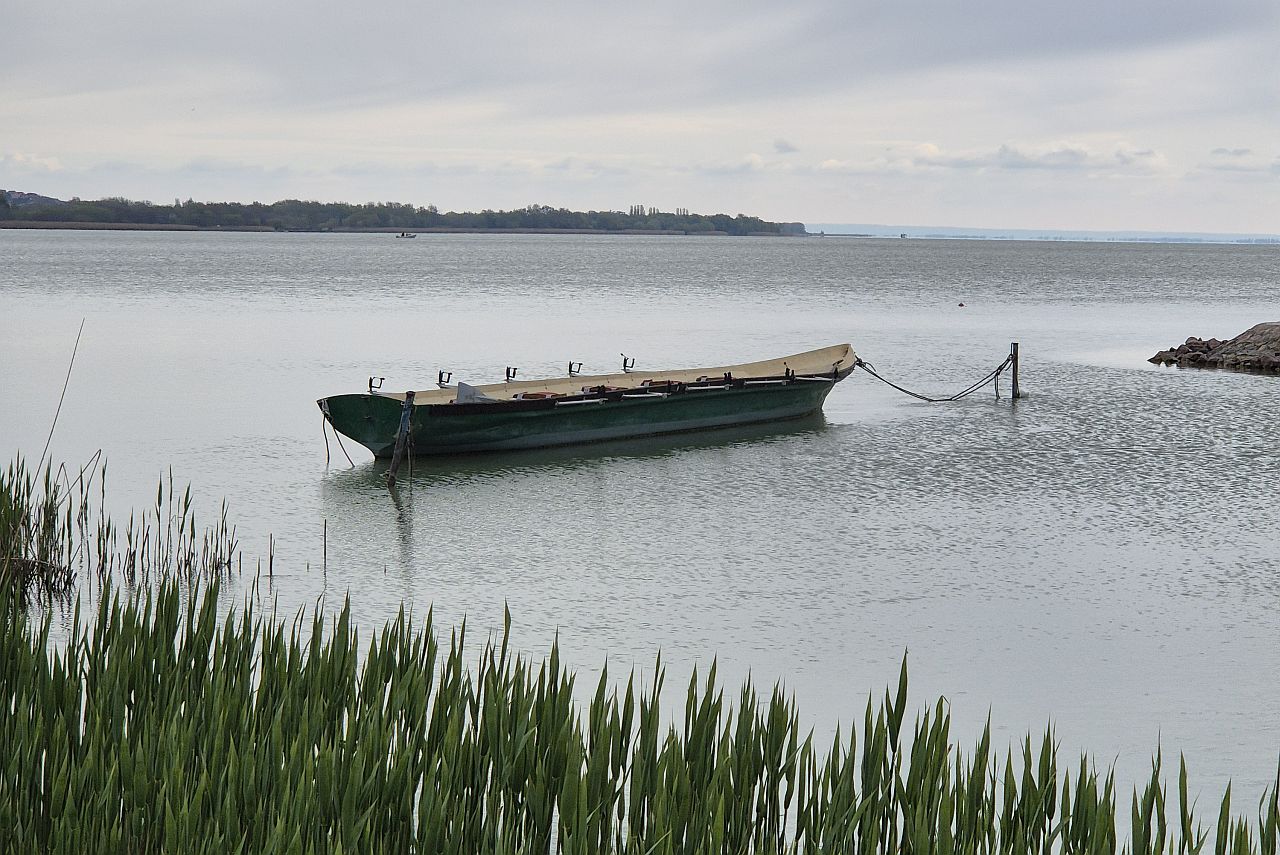
Recently, there have been many photographs in the Hungarian press and on social media showing how alarmingly low the water level in Lake Balaton is.
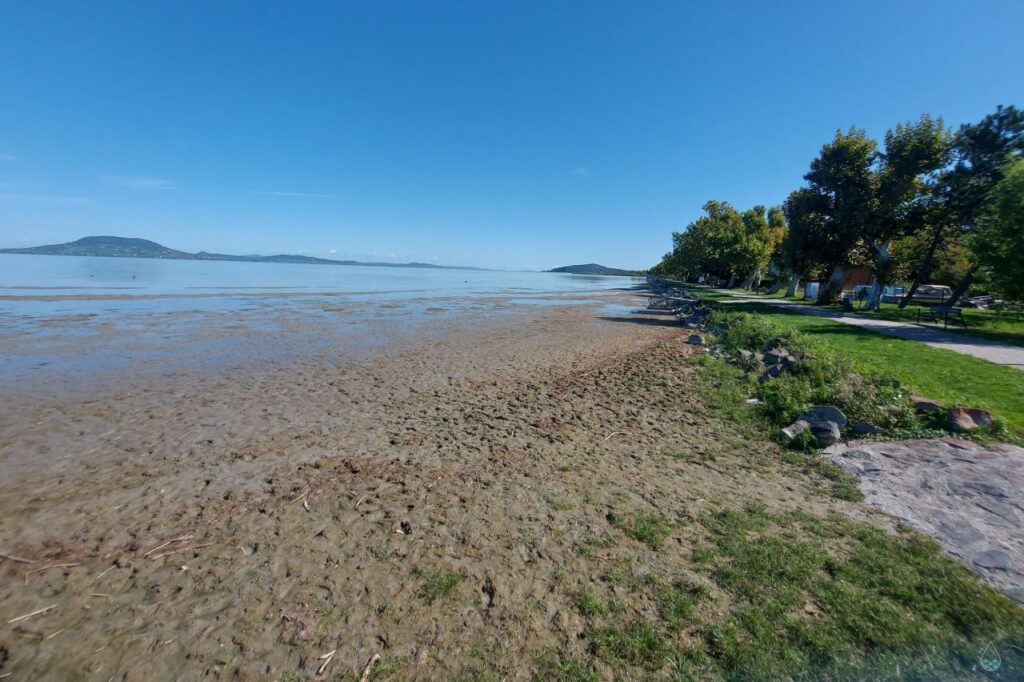
The lake’s average water level in summer is 110–120 cm, but it has now fallen below 70 cm in October.
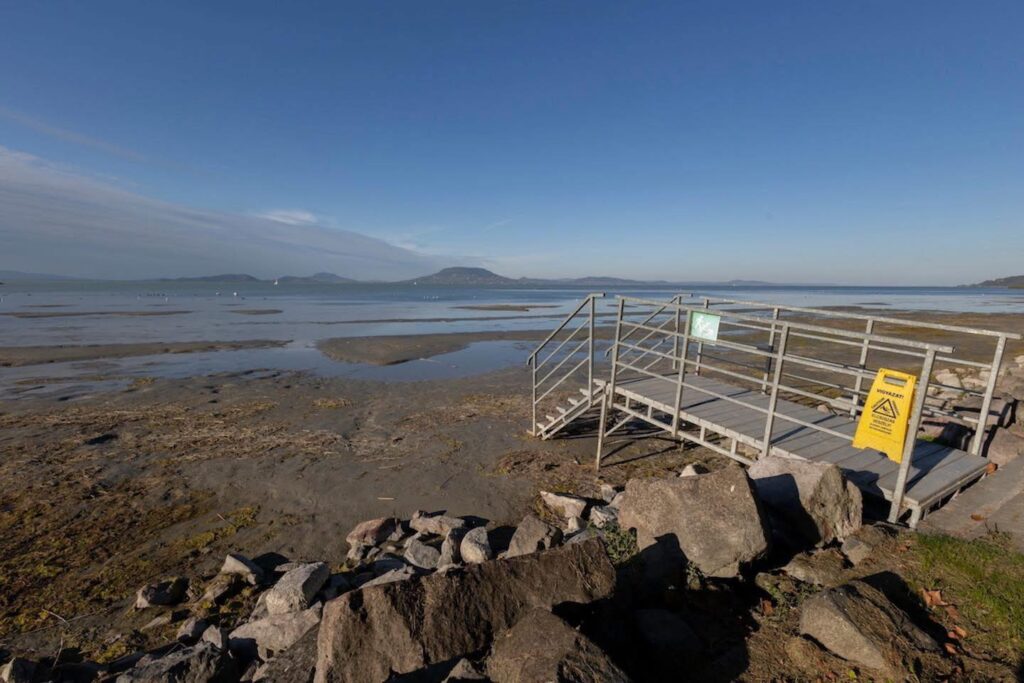
This means that, especially on the shallow southern shores, you can easily walk on the lake-bed. This phenomenon is attracting disaster tourists, and the sight undoubtedly has an apocalyptic feel to it.
While it is clear that the current state of the lake is more alarming than attractive to the average tourist, it is not entirely clear what this all means.
While half of the locals say that they have never seen anything like this in their lives, others claim that there have been similar, even worse events in the lake’s history.
Some experts claim that the low water level is related to climate change, environmentally harmful investments on the shores, and outdated infrastructure. They predict a bleak future for the lake.
However, a few days ago, a Balaton research organisation issued a press release emphasising that the current low water level does not indicate that the lake will dry up; rather, it reflects the lake’s natural functioning.
They point out that in 2003 the level was only 23 centimetres, yet the water quality remained excellent and the summer beach season was successful.
A bejegyzés megtekintése az Instagramon
They added that a certain degree of water level fluctuation is natural and necessary for the lake’s reed beds, shallow coastal habitats, and fish. If the water level remained high for a long time, this would threaten the diversity of the ecosystem.
However, the researchers point out that shallow water ecosystems such as Lake Balaton are sensitive to climate change. Therefore, changes must be monitored continuously and “there is an urgent need to analyse and prepare solutions that can be implemented in critical situations”.
A.J.